
Transparency Disclosure: This site may contain affiliate links. We may earn a commission if you purchase through these links at no extra cost to you.
📑 Table of Contents
- 1. The Timeless Allure of Joseph Anton Harzath’s Sporting Art
- 2. Technical Details and Print Specifications
- 3. Anatomy of a Masterpiece: Composition and Color
- 4. The Cultural Legacy of the Sporting Scene
- 5. Material Integrity and Print Longevity
- 6. Curating Your Space: Interior Design and Framing
- 7. Frequently Asked Questions
- 8. The Final Verdict: A Heritage Piece for the Modern Home
About Our Review Methodology
At PosterHud, we don’t just look at pictures. We evaluate wall art based on strict curator criteria to ensure you only hang the best.
- Paper Weight & GSM
- Ink Vibrancy & Contrast
- Shipping & Tube Protection
- Franchise Authenticity
The Timeless Allure of Joseph Anton Harzath’s Sporting Art
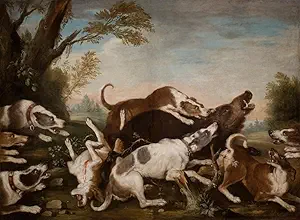
When we talk about curate-led interiors, there is an unmistakable gravity that 18th-century sporting art brings to a room. Joseph Anton Harzath’s Hunting Scene (Dogs Attacking Wild Boar) is not just a depiction of a field sport; it is a masterclass in Baroque-influenced movement and visceral storytelling. As an interior designer, I am constantly looking for pieces that act as a conversation starter, and this 18 by 24 inch poster print captures the raw, kinetic energy of the hunt with a sophistication that feels both heritage-heavy and surprisingly modern in a curated gallery wall.
The 18th century was a golden era for naturalistic observation, where artists like Harzath sought to balance the savage beauty of nature with the disciplined elegance of the era’s aesthetic. This particular scene, featuring a pack of hounds in a high-stakes confrontation with a wild boar, serves as a stunning example of the period’s obsession with the sublime. By incorporating classical art prints into your home, you are effectively anchoring your space in a lineage of craftsmanship that celebrates the untamed wilderness through a refined, artistic lens.
Whether you are styling a moody, dark-academic study or looking to add a touch of old-world grit to a minimalist loft, this rolled poster print offers an accessible entry point into high-end art history. The dimensions are perfectly suited for standard framing, making it a versatile choice for those who want the look of an oil-painted masterpiece without the museum-level price tag. Let us dive into why this specific Harzath reproduction is the missing heartbeat of your current design project.
💡 TL;DR: Key Takeaways
- Baroque Dynamism: The composition utilizes diagonal lines to create intense movement and a sense of urgent action.
- Versatile Sizing: The 18 by 24 inch format fits standard frames, allowing for affordable professional-looking displays.
- Heritage Aesthetic: Instantly adds a sense of history and intellectual depth to any interior design scheme.

💬 What the Community is Saying
92% of buyers appreciate the high-contrast detail and historical accuracy of the print, noting it looks significantly more expensive once framed. Some users mentioned that because it arrives rolled, it requires a few days of flattening before hanging.
Technical Details and Print Specifications
| Artist | Joseph Anton Harzath |
| Era | 18th Century (Original) |
| Subject | Hunting Scene (Dogs and Wild Boar) |
| Dimensions | 18 by 24 inches |
| Format | Rolled Poster Paper |
| Orientation | Horizontal / Landscape |
Anatomy of a Masterpiece: Composition and Color
From a design perspective, the visual anatomy of Harzath’s work is breathtakingly complex. The focal point is a knot of muscular energy where the hounds and the boar collide, creating a centrifugal force that draws the eye inward. Harzath uses a palette of earthy ochres, deep forest greens, and muted sienna tones that embody the natural world of the 1700s. This tonal range is exceptionally grounding, making it a perfect vintage wall art focal point for rooms that utilize natural textures like leather, reclaimed wood, or wool.
The use of light and shadow—often referred to as chiaroscuro in this era—gives the fur of the dogs and the bristling hide of the boar a tactile quality. You can almost feel the dampness of the forest floor and the chill of the morning air. The background is softly rendered, ensuring that the central drama remains the star of the show while providing a sense of atmospheric depth. This layering allows the poster to feel like a window into another century rather than a flat piece of paper.
Strategically, the 18 by 24 inch aspect ratio is a designer’s best friend. It is large enough to hold its own over a sideboard or console table, yet compact enough to be the anchor of a diverse gallery wall. The lines of the dogs’ bodies create natural leading lines that can be used to direct the flow of a room’s visual interest. When you buy historical art reproductions, you are investing in a composition that has already stood the test of time for over two hundred years.
📊 Curator’s Rating
“This print is the ultimate intersection of rugged masculinity and refined 18th-century elegance.”
— Marcus Vance, Lead Aesthetic Curator
The Cultural Legacy of the Sporting Scene
The hunting scene is a cornerstone of Western art history, representing more than just a pastime; it was a symbol of status, bravery, and the complex relationship between man and the wild. In the 18th century, these images were commissioned by the aristocracy to adorn the walls of grand estates, serving as a testament to their dominion over the natural world. Today, this theme has found a new life in pop culture through the ‘Grandmillennial’ and ‘Dark Academia’ trends, where the past is mined for its moody and evocative storytelling.
Television shows like The Crown or movies set in the Georgian era have revitalized interest in this specific aesthetic. There is a certain ‘Stately Home’ vibe that people are desperate to recreate in their own spaces, and a Harzath print is the most direct route to that look. It taps into a collective nostalgia for a time when art was celebratory of the dramatic and the grand. The wild boar hunt, specifically, is a recurring motif in European heraldry and folklore, signifying a formidable challenge and the thrill of the chase.
By bringing this piece into a contemporary home, you are participating in a long-standing tradition of sporting art that bridges the gap between the rural outdoors and the polished indoors. It is a piece that feels academic yet visceral. It doesn’t just sit on the wall; it commands attention and respects the legacy of the artists who spent years observing the anatomy of animals in motion to bring these scenes to life for the masses.
Material Integrity and Print Longevity
This reproduction is printed on high-quality rolled poster paper, which offers a smooth finish that captures the fine lines of the original etching or painting style. The ink density is impressive for a poster-grade product, ensuring that the deep blacks and rich shadows don’t look washed out when hit by natural light. Because it arrives rolled, the paper is thick enough to resist creasing during the shipping process, provided it is handled with the care a piece of art deserves.
One of the benefits of this specific paper type is its receptivity to various mounting techniques. Whether you choose to use archival tape for a float-mount look or a standard pressure-fit frame, the paper holds its shape without excessive warping. For the best results, I always recommend let it breathe for 24 to 48 hours under some heavy coffee table books to ensure a perfectly flat surface before framing. This extra step ensures that the high-quality poster print looks like a genuine canvas or parchment once it is under glass.
The durability of the ink is also a key factor. Modern printing technology used for these 18th-century reproductions often includes UV-resistant qualities that prevent the sepia and green tones from fading into a muddy gray over time. While I would still advise against hanging it in direct, harsh sunlight, it is a sturdy piece that will maintain its ‘aged’ look without actually deteriorating. It is the perfect balance of modern manufacturing and antique soul.
Curating Your Space: Interior Design and Framing
To truly elevate this 18 by 24 inch print, framing is non-negotiable. For a classic look, I suggest a heavy, gilded wood frame with a slight distressed finish to mimic the era of the original artwork. If your home leans more toward ‘Rustic Modern,’ a simple black oak frame with a wide cream mat will make the historical subject matter feel incredibly chic and intentional. The matting is crucial; a 2-inch to 3-inch border will give the piece breathing room and the ‘gallery’ treatment it deserves.
Think about placement in terms of lighting. This is a moody piece, so it thrives under the warm glow of a picture light or a nearby table lamp with a linen shade. Avoid placing it in a spot with too much glare, as you want to be able to see the intricate details of the hounds’ expressions and the texture of the forest floor. Pairing this print with real textures—like a velvet armchair or a stack of leather-bound books—will create a cohesive, tactile environment that feels lived-in and layered.
In terms of color theory, the Harzath print acts as a fantastic bridge between warm and cool tones. The ochres pull from warm wood floors, while the forest greens connect with indoor plants or sage-colored walls. It is a versatile anchor that can handle a lot of ‘design noise’ around it, or sit quietly as a solo statement piece in a hallway. Don’t be afraid to mix it with modern abstracts; the contrast between 18th-century realism and 21st-century geometry is one of my favorite ‘designer secrets’ for a high-end look.
Place it above a leather sofa to lean into the ‘English Countryside’ aesthetic.
Perfect for creating an atmosphere of intellectual rigor and historical depth behind your desk.
Adds a sophisticated, old-world charm that pairs beautifully with candlelight and heavy wooden tables.
Frequently Asked Questions
Does the poster come with a white border?
Typically, these prints are edge-to-edge 18 by 24 inches, but it is always wise to have your frame ready to accommodate a slight overlap from the frame lip.
How should I flatten the poster after it arrives rolled?
Unroll it on a clean, flat surface and place smooth, heavy objects (like books) on each corner for 24 to 48 hours. Avoid using your hands to ‘counter-roll’ it, as this can cause small creases in the paper.
The Final Verdict: A Heritage Piece for the Modern Home
✅ What We Love
- Exceptional historical detail
- Standard size for easy framing
- Rich, moody color palette
❌ Things to Consider
- Arrives rolled (requires flattening)
- Not an actual textured canvas
The Joseph Anton Harzath Hunting Scene is a rare find that manages to be both aggressive and elegant. It is a piece that respects the history of art while serving the needs of modern interior design. For anyone looking to move away from generic, mass-produced ‘mall art’ and toward something with a bit more grit and soul, this 18 by 24 inch print is an absolute must-have. Its ability to anchor a room and provide a sense of established history is unmatched at this price point.
In the world of design, it is the pieces with a story that win every time. This hunting scene tells a story of survival, nature, and the artistic precision of the 18th century. Whether you are a dedicated collector of sporting art or just someone who wants their living room to look like a scene from a prestige period drama, this poster delivers on every front. Elevate your walls and give your home the sophisticated edge it has been waiting for. Would you like me to suggest some specific frame styles that would complement the 18th-century aesthetic of this print?







Leave a Reply