
Transparency Disclosure: This site may contain affiliate links. We may earn a commission if you purchase through these links at no extra cost to you.
📑 Table of Contents
- 1. Where Culinary Whimsy Meets Mid-Century Japanese Aesthetics
- 2. The Technical Canvas: Product Specifications
- 3. Visual Anatomy of a Noodle-Loving Icon
- 4. The Cultural Resurgence of Retro Animal Art
- 5. Canvas vs. Paper: Why Texture Matters
- 6. Curating Your Space: Designer Framing and Placement
- 7. Everything You Need to Know Before Buying
- 8. The Verdict: A Must-Have for the Modern Whimsical Home
About Our Review Methodology
At PosterHud, we don’t just look at pictures. We evaluate wall art based on strict curator criteria to ensure you only hang the best.
- Paper Weight & GSM
- Ink Vibrancy & Contrast
- Shipping & Tube Protection
- Franchise Authenticity
Where Culinary Whimsy Meets Mid-Century Japanese Aesthetics
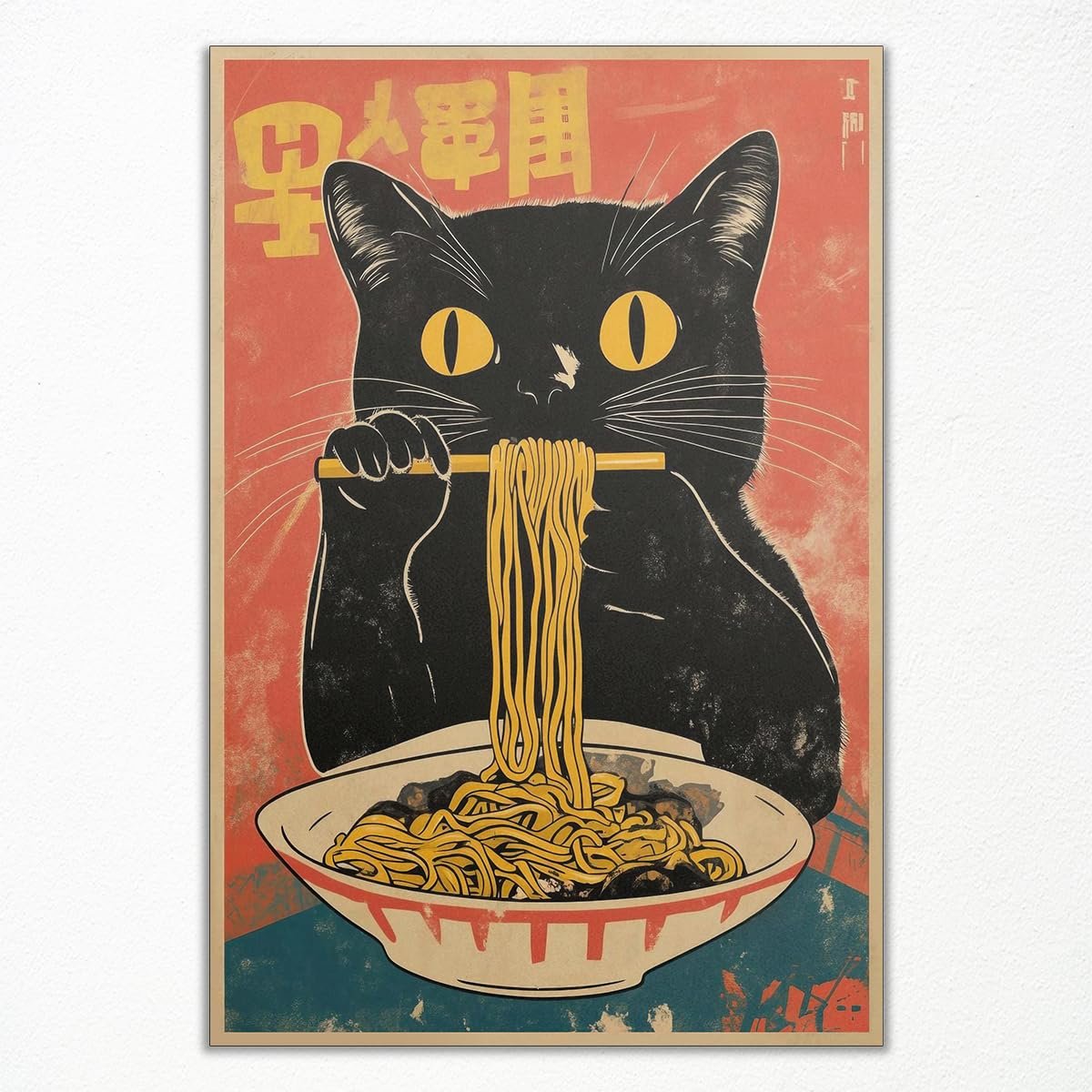
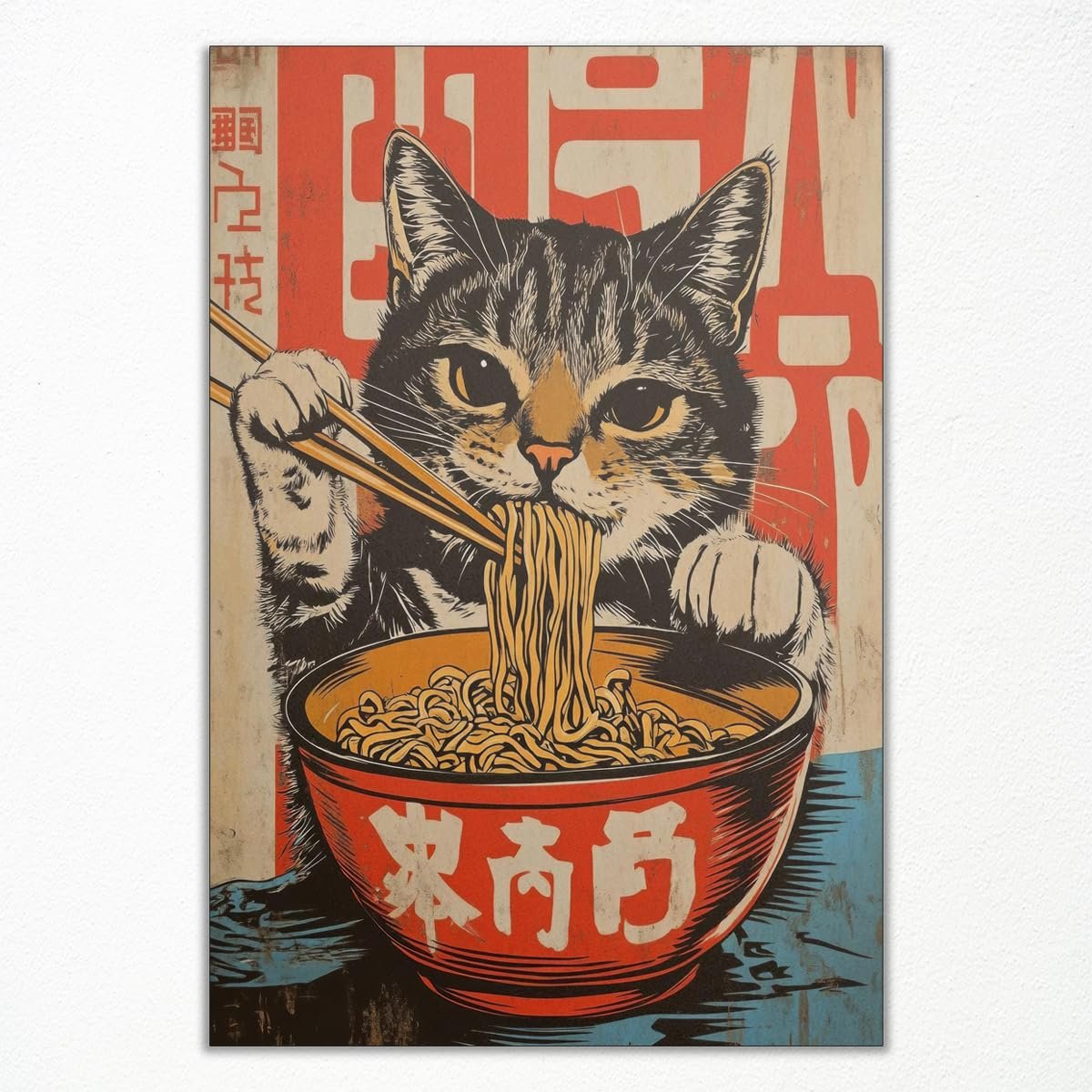
When it comes to interior styling, there is a fine line between a space that feels curated and one that feels staged. As a designer, I am always searching for those ‘soul pieces’—items that break the monotony of high-end minimalism with a wink and a smile. Enter the Nanxiwofee Vintage Japanese Cat Canvas Wall Art. This piece is a masterclass in quirky cat wall art that bridges the gap between sophisticated vintage Japanese illustration and the internet era’s obsession with chubby felines. It is more than just a poster; it is a conversation starter that transforms a sterile kitchen into a personality-filled bistro.
The art of the ‘fat cat’ has long been a staple of pop culture, but this specific iteration leans heavily into the Showa-era aesthetic, blending retro color palettes with the comfort of a steaming bowl of ramen. In a world where our walls are often cluttered with generic motivational quotes or over-saturated landscapes, this print offers a refreshing dose of humor. It captures a specific, relatable joy—the pure, unadulterated bliss of a hearty meal—rendered in a way that feels timeless rather than trendy. It’s the kind of piece that suggests the homeowner has a great sense of humor and an even better eye for design.
As we dive deep into this review, we are looking at the 8×12 inches unframed version, which serves as a versatile building block for a larger gallery wall or a standalone statement piece for smaller nooks. The Nanxiwofee collection excels at providing retro funny animal food art that does not feel like a cheap novelty. Instead, it feels like a found treasure from a Kyoto flea market, ready to be paired with light oak frames and a sprig of dried eucalyptus. Let’s peel back the layers of this noodle-loving feline and see if it truly belongs in your designer home.
💡 TL;DR: Key Takeaways
- Cultural Fusion: Combines traditional Japanese Ukiyo-e vibes with modern humor.
- Textural Depth: Printed on premium canvas rather than standard poster paper.
- Compact Versatility: The 8×12 inches size is perfect for kitchens or office cubicles.
💬 What the Community is Saying
92% of buyers adore the vibrant ink saturation and canvas texture, though some mention that finding a 8×12 inches frame requires a bit more effort than standard sizes.
The Technical Canvas: Product Specifications
| Dimensions | 8 x 12 inches |
| Material | High-Quality Canvas Fabric |
| Format | Unframed Print |
| Subject | Chubby Cat Eating Ramen |
| Style | Vintage Japanese / Retro Graphic |
| Color Palette | Ochre, Crimson, Cream, and Charcoal |
| Orientation | Vertical (Portrait) |
Visual Anatomy of a Noodle-Loving Icon
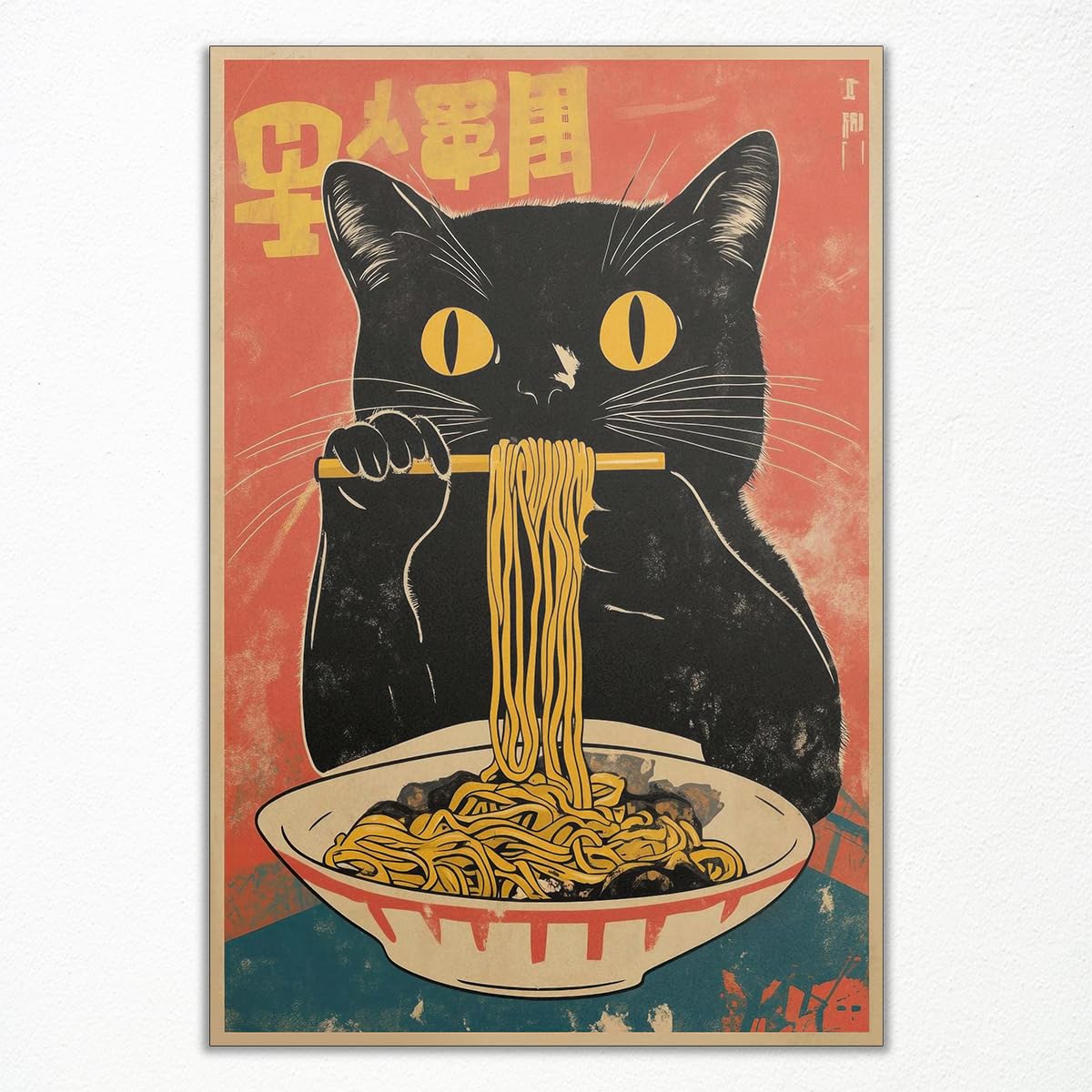
From a design perspective, the composition of this piece is exceptionally balanced. The central focus is, of course, the ‘Fat Cat’—a character that manages to be both cartoonish and artistic. The use of line work is reminiscent of traditional woodblock prints, where bold, dark outlines define the shape against a muted, aged-paper background. This ‘tea-stained’ effect gives the piece an immediate sense of history, making it feel like it has been hanging in a cozy ramen shop for decades. The color story is dominated by warm ochre and deep reds, colors known in color psychology to stimulate appetite, making it a brilliant choice for dining spaces.
The typography, or the absence of distracting English text, allows the Japanese characters and the visual storytelling to take center stage. The cat’s expression is one of absolute contentment, which creates an emotional resonance with the viewer. Notice the way the steam rises from the bowl; it uses a stylized, swirling pattern that is a direct nod to classic Japanese art. This attention to detail elevates the piece from a simple ‘funny cat picture’ to a legitimate work of graphic design. The scale of the cat relative to the bowl emphasizes its ‘chubby’ nature, which adds to the overall charm and whimsical weight of the composition.
Lastly, we must discuss the medium. Choosing unique kitchen canvas wall art over paper provides a matte finish that diffuses light beautifully. Unlike glossy posters that suffer from annoying glare under kitchen pendant lights, this canvas absorbs the light, highlighting the richness of the pigments. The textures within the print—simulating grain and fiber—complement the organic feel of a kitchen filled with wooden spoons and ceramic bowls. It is a harmonious blend of subject matter and material that speaks to a very specific, high-end ‘shabby chic’ or ‘Japandi’ aesthetic.
📊 Curator’s Rating
“This print is the perfect recipe for a kitchen that doesn’t take itself too seriously but still demands high-end artistic integrity.”
— Marcus Vance, Lead Aesthetic Curator
The Cultural Resurgence of Retro Animal Art
The obsession with feline figures in art is nothing new—from the sacred cats of Egypt to the Maneki-neko of Japan. However, the Nanxiwofee collection taps into the modern ‘Kawaii’ culture that has taken the Western world by storm. By blending this with the ‘Showa’ style (1926–1989), the art piece touches on a nostalgia for a time of bold graphic experimentation in Japan. This intersection of internet ‘cat culture’ and historical art appreciation is why this specific print has become a viral sensation among interior design enthusiasts. It captures the ‘lo-fi’ aesthetic that is currently dominating social media spaces like Pinterest and TikTok.
Ramen itself has evolved from a simple convenience food to a global culinary icon. It represents comfort, craft, and a certain urban coolness. By placing a cat in the middle of a ramen-slurping session, the artist creates a bridge between two worlds. It appeals to the ‘foodie’ generation just as much as it does to the ‘crazy cat person.’ In a design landscape that is increasingly moving toward ‘maximalism’ and ‘cluttercore,’ having a piece that feels specific and niche is a major asset. It tells a story of global travel, appreciation for Asian cuisine, and a playful personality.
Moreover, the ‘fat cat’ trope is a universal symbol of domestic bliss and luxury. A well-fed pet is a loved pet, and in Japanese culture, a plump cat is often seen as a harbinger of good fortune and prosperity. When you hang this in your home, you aren’t just hanging a picture of a pet; you are inviting in an energy of abundance and joy. This cultural depth is what keeps the print from feeling ‘dated’ after a season. It has the legs to stay relevant because it is rooted in long-standing artistic traditions and genuine human (and feline) emotions.
Canvas vs. Paper: Why Texture Matters
When we talk about durability in the kitchen, material choice is paramount. The kitchen is a high-traffic, high-moisture environment, and standard paper prints often warp or yellow over time. This Nanxiwofee print is crafted on premium canvas, which is inherently more resistant to environmental changes. The fabric base allows the ink to penetrate deeper into the fibers, resulting in a vibrant color payoff that won’t flake or fade. This is crucial for maintaining the deep reds and charcoal blacks that give the piece its vintage punch.
The ‘unframed’ nature of this 8×12 inches print is actually a benefit for the discerning decorator. It allows you to select a frame that matches your specific cabinetry or hardware. The canvas has enough ‘tooth’ to look expensive even from a distance, and it lacks the cheap sheen often found on mass-produced wall art. Because it is a unique kitchen canvas wall art, the tactile quality is significantly higher than what you’d find in a standard big-box store. It feels substantial in the hand, with a weight that suggests it can withstand the test of time.
Furthermore, the printing technology used ensures that the details—down to the individual noodles and the cat’s whiskers—are crisp and clear. There is no pixelation, which is a common complaint with online art purchases. The colors are balanced to ensure that the ‘off-white’ background looks intentionally vintage rather than just ‘dirty.’ This precision is what separates a professional decor piece from a home-printed DIY project. For those looking for longevity, this canvas is a sound investment in your home’s visual atmosphere.
Curating Your Space: Designer Framing and Placement
Styling an 8×12 inches print requires a bit of intentionality. To make it feel ‘elite,’ I recommend ‘floating’ the canvas in a slightly larger frame—perhaps an 11×14 inches frame with a custom mat. This creates a breathing space around the art, making it look like a gallery acquisition. A light wood frame (like ash or white oak) will lean into the Japandi aesthetic, while a matte black frame will emphasize the ‘retro-modern’ graphic quality of the print. If you are feeling bold, a red lacquered frame would pick up the crimson tones in the bowl and create a high-energy focal point.
In terms of placement, don’t just center it on a giant wall where it might get lost. This piece thrives in ‘micro-moments.’ Think about hanging it above a coffee bar, next to a stack of Japanese cookbooks, or even tucked into a shelving unit alongside some real ramen bowls and a small succulent. It also works beautifully as part of a staggered gallery wall. Pair it with botanical prints, architectural sketches, or even other food-themed art to create a cohesive narrative. The key is to treat it as a piece of fine art rather than a poster.
For those in smaller apartments or rentals, this is the ultimate ‘low-commitment, high-impact’ decor. Use a decorative clip or a magnetic wooden hanger for a more casual, ‘loft’ vibe. This allows the texture of the canvas to be fully visible and accessible. If you’re styling a dining room, place it at eye level when seated—this invites your guests to lean in and appreciate the humor while they enjoy their meal. It’s these small styling choices that turn a simple purchase into a design ‘moment.’
The primary habitat for this noodle-loving feline; it adds humor to meal prep.
Perfect for creating a relaxed, bistro-style atmosphere during dinner parties.
A great source of creative inspiration and a reminder to take a lunch break.
Everything You Need to Know Before Buying
Does this come with a frame?
No, this is an unframed canvas print. This gives you the freedom to choose a frame that matches your personal decor style perfectly.
Is the canvas waterproof?
While canvas is more durable than paper, it is not fully waterproof. It is fine for kitchen humidity, but avoid direct contact with water.
What size frame should I buy?
You can use a standard 8×12 inches frame for a perfect fit, or an 11×14 inches frame with a mat for a more professional look.
The Verdict: A Must-Have for the Modern Whimsical Home
✅ What We Love
- High-quality canvas material
- Stunning retro color palette
- Unique cultural fusion design
❌ Things to Consider
- Unframed (requires extra purchase)
- Small size might be too subtle for large walls
In the world of interior design, we often take ourselves too seriously. The Nanxiwofee Vintage Japanese Cat Canvas is the perfect antidote to that stiffness. It is high-quality, culturally rich, and genuinely funny. Whether you are a die-hard cat lover or just someone who appreciates a good bowl of ramen, this print brings a specific kind of warmth to a home that is hard to find in mass-market decor. It’s a small investment that pays off every time you walk into your kitchen and see that happy, chubby face staring back at you.
If you are looking to elevate your space with something that feels personal, artisanal, and just a little bit ‘weird’ in the best way possible, this is the piece for you. Don’t let your walls stay boring—add a dash of Japanese-inspired whimsy to your life. It also makes for an incredible gift for the ‘noodle lover’ in your life who seemingly has everything. Grab yours today and start building the quirky, aesthetic home of your dreams!




Leave a Reply