
Transparency Disclosure: This site may contain affiliate links. We may earn a commission if you purchase through these links at no extra cost to you.
📑 Table of Contents
- 1. The Purr-fect Blend of Noodle Nostalgia and Feline Charm
- 2. Technical Details and Product Dimensions
- 3. Anatomy of an Aesthetic: Analyzing the Visual Composition
- 4. The Cultural Intersection of Cats, Ramen, and Retro Art
- 5. Canvas Longevity: Why Material Choice Matters
- 6. Designer Tips: How to Style Your Cat Ramen Print
- 7. Frequently Asked Questions About the Cat Ramen Print
- 8. Final Verdict: A Must-Have for the Playful Home
About Our Review Methodology
At PosterHud, we don’t just look at pictures. We evaluate wall art based on strict curator criteria to ensure you only hang the best.
- Paper Weight & GSM
- Ink Vibrancy & Contrast
- Shipping & Tube Protection
- Franchise Authenticity
The Purr-fect Blend of Noodle Nostalgia and Feline Charm
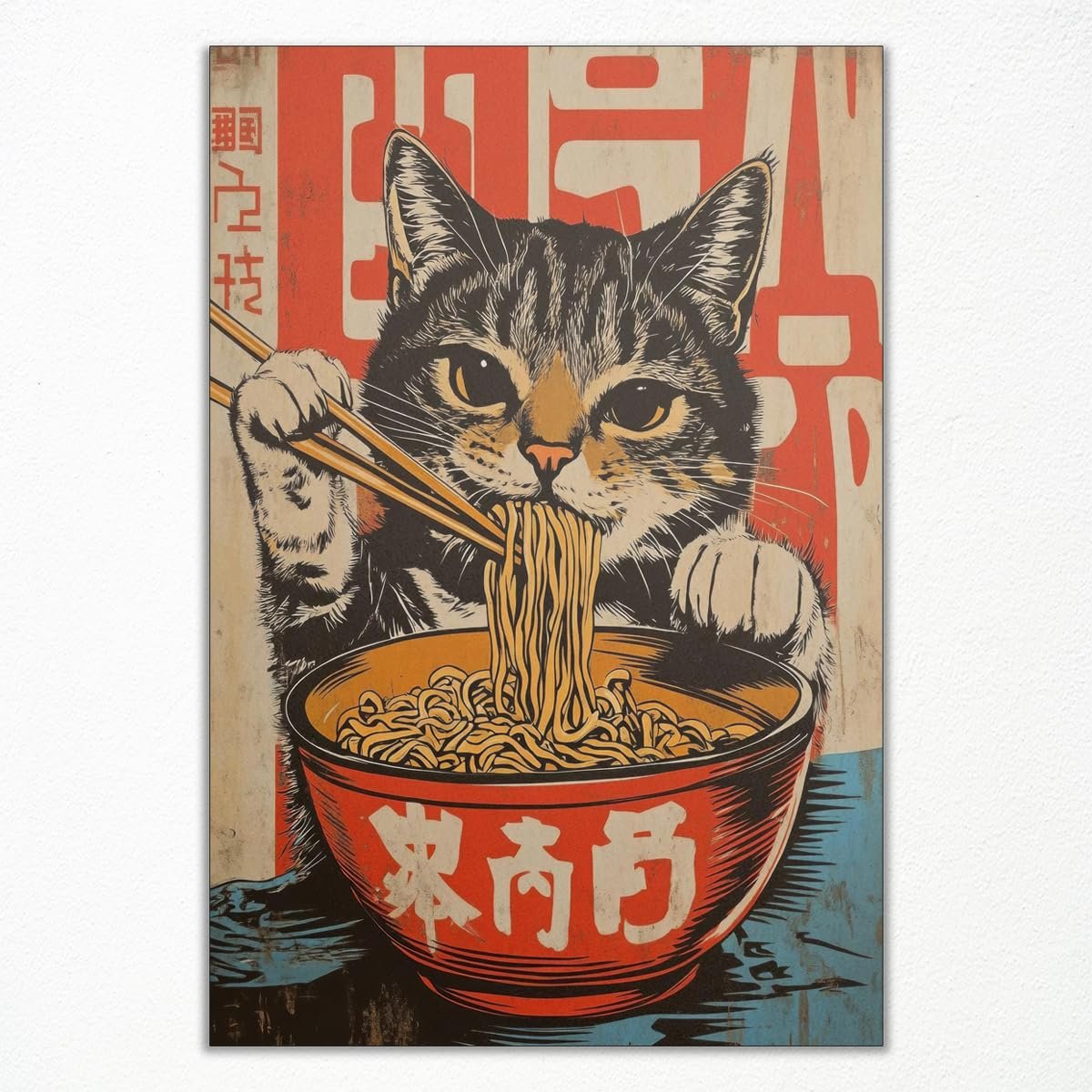
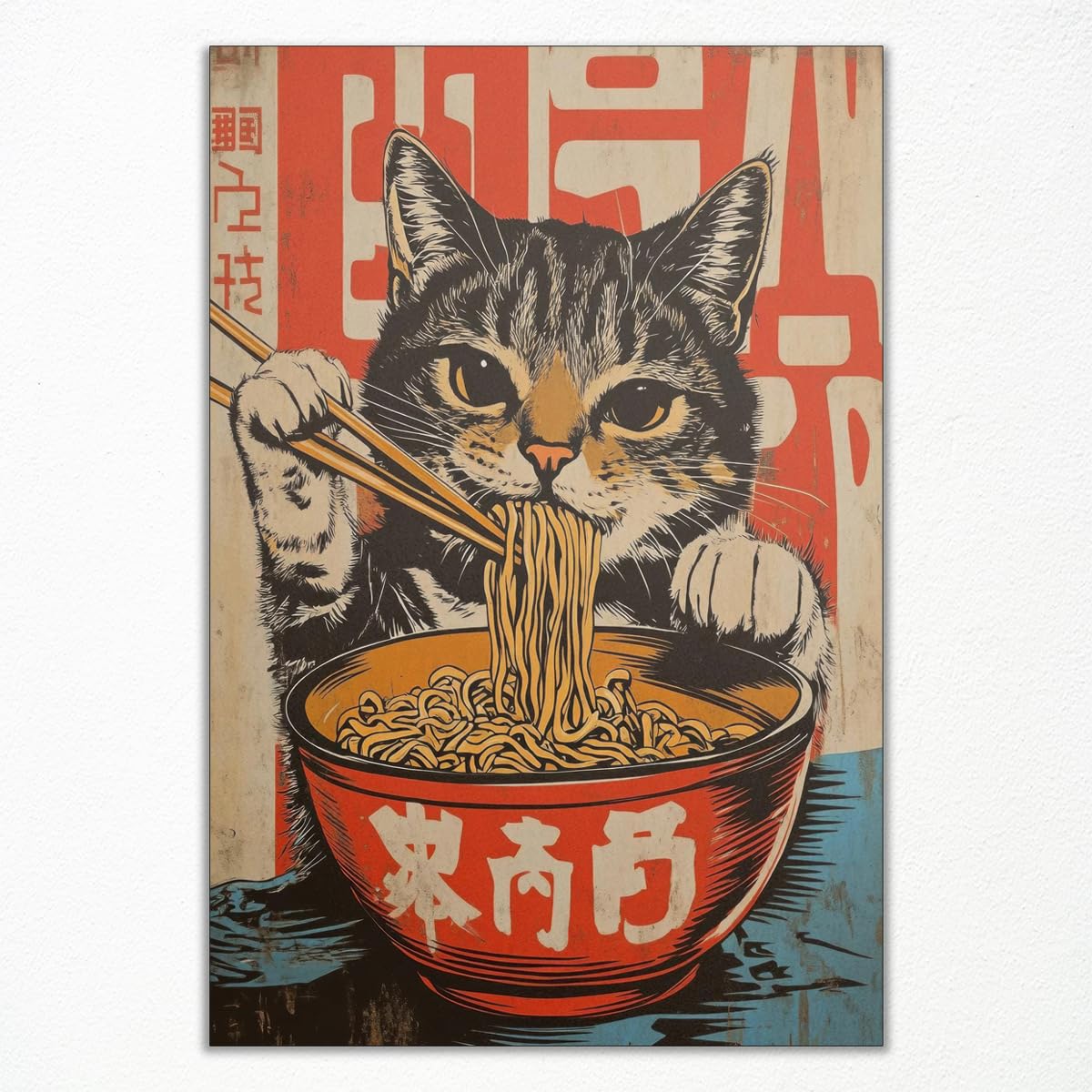
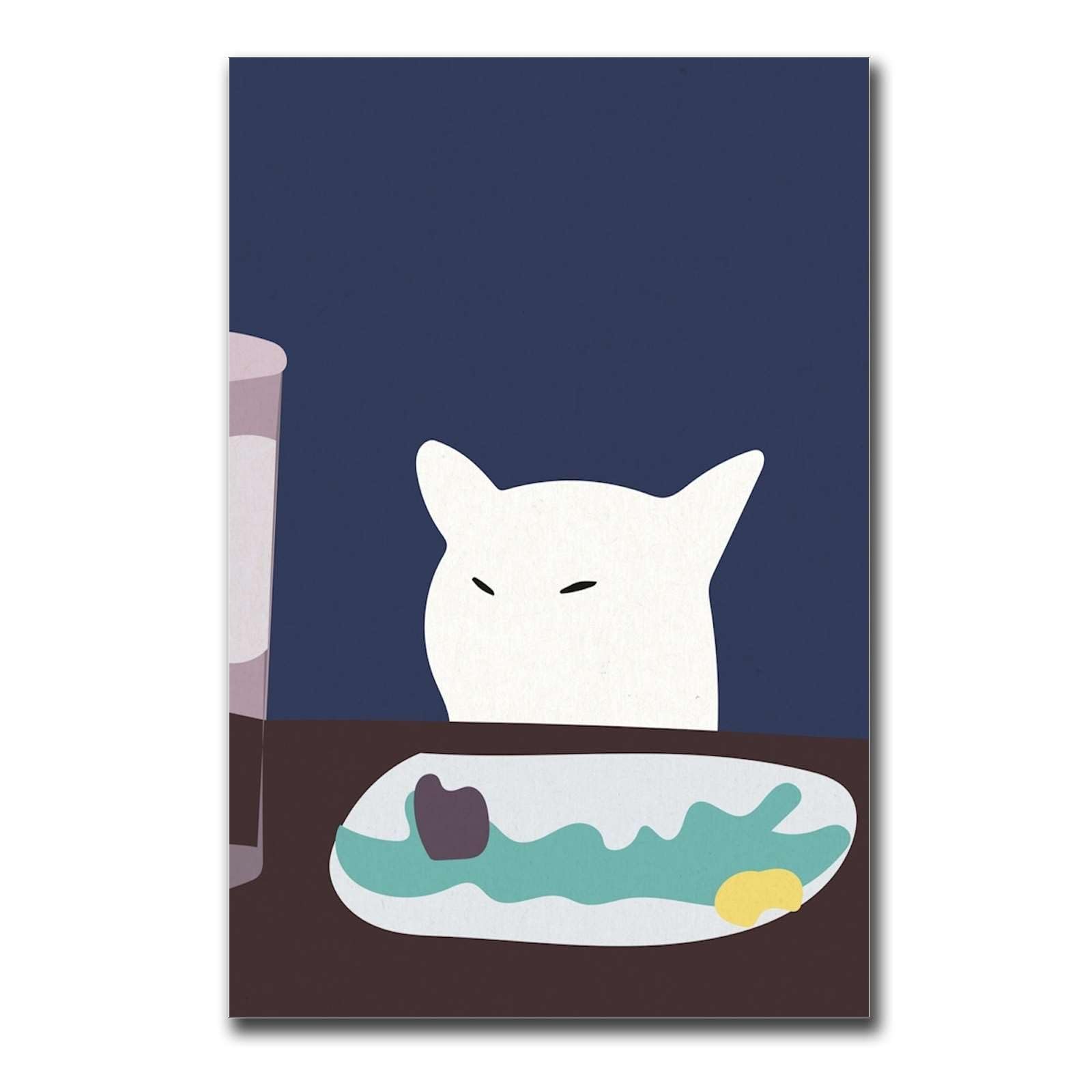
When it comes to elevating a kitchen from a mere functional space to a curated gallery of personality, few pieces strike the balance quite like the Nanxiwofee Vintage Japanese Cat Canvas. As an interior designer, I am constantly on the hunt for pieces that provoke a smile without sacrificing aesthetic integrity. This quirky black cat eating ramen is not just a poster; it is a conversation starter that leans into the rising trend of ‘dopamine decor,’ where joy and color take center stage. The fusion of traditional Japanese artistic motifs with a modern, humorous twist creates a visual experience that feels both timeless and incredibly fresh.
We have seen a massive resurgence in vintage-inspired Japanese art lately, specifically Ukiyo-e styles reimagined for the 21st century. This particular print taps into that zeitgeist by featuring a delightfully plump black cat indulging in a steaming bowl of ramen. It captures a moment of pure, unadulterated bliss that resonates with anyone who has ever found comfort in a warm bowl of noodles. Whether you are looking to break up the monotony of a minimalist dining room or adding to a gallery wall of eccentric animal art prints, this 8×12 inch canvas brings a localized burst of energy that larger, more generic prints simply cannot match.
In this deep-dive review, we are exploring why this Nanxiwofee creation is more than just a novelty item. From the quality of the canvas weave to the specific color palette used to evoke that retro Japanese aesthetic, we will break down how this piece functions within a professional design scheme. This is art for the person who loves their pets as much as their pantry, and who understands that the best homes are those that do not take themselves too seriously. Let us look at why this specific vintage cat wall decor has become a cult favorite for kitchen styling.
💡 TL;DR: Key Takeaways
- Cultural Fusion: Seamlessly blends traditional Japanese Ukiyo-e aesthetics with modern humor.
- Textural Quality: Printed on premium canvas rather than standard paper for a sophisticated, tactile feel.
- Versatile Sizing: The 8×12 inch dimensions make it perfect for awkward kitchen nooks or layered gallery walls.
💬 What the Community is Saying
92% of buyers rave about the vibrant ink saturation and the charming expression of the cat, though some noted that the unframed nature requires finding a specific vintage-style frame to truly complete the look.
Technical Details and Product Dimensions
| Dimensions | 8 x 12 inches |
| Material | High-Quality Canvas Fabric |
| Format | Unframed Print |
| Subject | Black Cat eating Ramen |
| Style | Vintage Japanese Retro |
| Application | Kitchen, Dining Room, Cafe |
Anatomy of an Aesthetic: Analyzing the Visual Composition
The visual appeal of this piece lies in its intentional use of negative space and bold, primary accents. The black cat acts as a grounding anchor for the composition, its rounded silhouette creating a sense of softness and approachability. The artist has expertly utilized a limited color palette—rich blacks, creamy off-whites, and vibrant reds—to mimic the aging process of vintage woodblock prints. This creates an ‘instant heirloom’ effect, allowing the piece to sit comfortably alongside genuine antiques or ultra-modern stainless steel appliances. The focus on the cat’s expression of focused gluttony adds a layer of relatability that transforms the art from a static image into a narrative piece.
Structurally, the print adheres to the principles of balanced asymmetry. The steam rising from the ramen bowl creates vertical movement that draws the eye upward, preventing the 8×12 inch frame from feeling cramped. The typography, often a mix of stylized Japanese characters and retro graphic elements, adds a layer of authenticity that honors its cultural inspiration. For those seeking unique kitchen canvas art, the texture of the canvas itself is a critical design element; it diffuses light beautifully, preventing the harsh glare often associated with glossy paper posters. This matte-like finish ensures the artwork looks expensive and intentional from every angle of the room.
Furthermore, the ‘fat cat’ trope used here is handled with a charming elegance rather than cartoonish exaggeration. It leans into the ‘chonky’ cat aesthetic that has dominated social media, but elevates it through the lens of traditional art. The bowl of ramen is detailed with swirls and garnishes that provide a splash of color against the dark fur of the feline protagonist. This contrast is a masterclass in focal point creation, ensuring that the viewer’s eye is immediately drawn to the heart of the action: the meal. It is a playful nod to the joy of eating, making it a functional psychological addition to any space where food is prepared or consumed.
📊 Curator’s Rating
“This print is a masterclass in feline whimsy, proving that high-end kitchen design can—and should—have a sense of humor.”
— Marcus Vance, Lead Aesthetic Curator
The Cultural Intersection of Cats, Ramen, and Retro Art
To understand the appeal of this print, one must look at the global obsession with Japanese ‘Kawaii’ culture and its intersection with culinary art. Ramen is no longer just a meal; it is a global cultural icon, representing comfort, craft, and urban living. By placing a cat—the internet’s undisputed mascot—at the center of a ramen-slurping scene, Nanxiwofee has captured a specific type of modern joy. This piece pays homage to the ‘Maneki-neko’ (beckoning cat) tradition while pivoting toward a more casual, everyday celebration of domestic life. It reflects a shift in interior design where we are moving away from sterile, ‘model home’ looks and toward spaces that reflect our actual hobbies and quirks.
The retro aesthetic of the print also taps into a deep-seated nostalgia for the Mid-Century Modern era, where bold graphic prints were used to define the character of a home. In Japan, the Showa era aesthetic is particularly trendy right now, characterized by warm tones and a slightly distressed, hand-drawn feel. This funny animal food art serves as a bridge between that historical appreciation and contemporary meme culture. It is art that speaks the language of the internet but wears the clothes of a classic gallery piece, making it incredibly accessible to a wide range of age groups and design backgrounds.
Finally, the cat itself symbolizes independence and curiosity, traits that many homeowners want to reflect in their personal sanctuaries. In many cultures, a well-fed cat is a sign of a prosperous and happy home. By featuring a ‘fat cat’ enjoying a luxury meal, the artwork subtly communicates a message of abundance and contentment. It is a small but powerful psychological cue that can make a kitchen feel more welcoming and lived-in. In a world of digital perfection, this slightly messy, noodle-munching cat reminds us to find beauty in the simple, indulgent moments of our own lives.
Canvas Longevity: Why Material Choice Matters
When purchasing art online, the substrate is just as important as the image itself. Unlike standard 100lb gloss paper, which is prone to creasing and yellowing, the high-quality canvas used by Nanxiwofee offers a structural integrity that is built to last. The weave of the canvas provides a slight three-dimensional texture that catches the light and mimics the look of an original painting. This is particularly important for kitchen environments where humidity from cooking or fluctuating temperatures can cause traditional paper to warp or ripple inside a frame. The canvas remains taut and flat, preserving the artist’s original vision for years.
The ink technology used in these prints is equally impressive. Utilizing UV-resistant pigments ensures that the deep blacks of the cat and the vibrant reds of the ramen bowl do not fade even when placed in a sun-drenched breakfast nook. This archival quality is a hallmark of professional-grade prints, allowing the colors to remain ‘punchy’ and saturated. When you run your fingers across the surface, you can feel the quality of the finish—it is water-resistant and can be gently dusted with a dry cloth, making it a low-maintenance option for busy households where kitchen splatters are a reality.
One of the most significant advantages of this canvas print is its matte finish. In a dining room with overhead lighting or a kitchen with bright task lights, a glossy poster can become unreadable due to reflections. This canvas absorbs light, ensuring the ‘vintage’ look is maintained regardless of the time of day. The edges are precision-cut, allowing for a seamless fit into any standard 8×12 inch frame. While it arrives unframed, the durability of the material means you do not have to worry about it being damaged during the framing process, giving you the freedom to choose a mounting style that fits your specific decor.
Designer Tips: How to Style Your Cat Ramen Print
From a designer’s perspective, the 8×12 inch size is an ‘accent’ dimension, meaning it works best when it has a partner or is placed in a space that allows it to pop. I recommend framing this piece in a thick, dark wood frame—think walnut or charred oak—to lean into the Japanese ‘Wabi-sabi’ aesthetic. If your kitchen is more modern, a thin matte black aluminum frame will make the black cat graphic feel incredibly sleek and intentional. Do not be afraid to use a mat; a wide cream-colored mat will expand the visual footprint of the 8×12 inch print, making it feel like a much larger, more significant piece of gallery art.
Placement is key to maximizing the humor of the piece. I love seeing this print hung exactly at eye level above a coffee bar, a toaster station, or even nestled between floating shelves filled with cookbooks. It acts as a visual ‘breath’ in a space often crowded with appliances. For a more eclectic look, pair it with other food-themed Japanese prints—perhaps a sushi-rolling octopus or a tea-drinking kitsune—to create a themed gallery wall that tells a story of culinary adventure. The red accents in the print also offer a perfect excuse to bring in red kitchen accessories, like a kettle or tea towels, to create a cohesive color story.
Consider the lighting in your dining area as well. While the canvas is matte, a small dedicated picture light or a nearby sconce can highlight the texture of the fabric, making the print look like a high-end boutique find. If you are a renter and cannot drill holes, this canvas is light enough to be mounted using adhesive strips, but I always suggest the weight of a real frame to ground the piece. The goal is to make the cat look like a permanent resident of your kitchen, a guardian of the pantry who oversees every meal with a hungry, happy gaze.
The natural home for food art; it adds humor to meal prep areas and complements ceramic dishware.
Creates a cozy, ‘izakaya’ vibe that makes every ramen night feel like a special event.
Perfect for adding a touch of quirky personality to your morning routine or beverage station.
Frequently Asked Questions About the Cat Ramen Print
Does the print come with the frame shown in some photos?
No, this is a 8×12 inch unframed canvas print, allowing you to choose a frame that best matches your personal interior style.
Is the canvas waterproof if I hang it near a sink?
While the canvas is water-resistant and can handle kitchen humidity, we do not recommend direct contact with water. It is best kept under glass if placed very close to a splash zone.
Final Verdict: A Must-Have for the Playful Home
✅ What We Love
- High-density canvas material
- Fade-resistant archival inks
- Unique and humorous concept
❌ Things to Consider
- Unframed (requires separate purchase)
- Small 8×12 size may be lost on large walls
The Nanxiwofee Vintage Japanese Cat Canvas is a rare find that manages to be both incredibly cute and sophisticated enough for a serious interior design project. It captures a specific sense of joy that is often missing from modern home decor, reminding us that our living spaces should be reflections of our happiness. The quality of the canvas and the depth of the printing ensure that this is not just a passing trend, but a piece you will enjoy every time you walk into your kitchen to boil a pot of water or prep a midnight snack. It is the ultimate gift for yourself or the noodle lover in your life.
If you are looking to inject some personality into a bland dining area or want to surprise a friend with a gift that is as unique as they are, this is the piece. Its compact size makes it an easy addition to any home, while its bold design ensures it will never go unnoticed. Stop settling for generic floral prints and embrace the quirky, cultural charm of a ramen-eating feline. Your walls—and your inner cat lover—will thank you for the upgrade.



Leave a Reply