
Transparency Disclosure: This site may contain affiliate links. We may earn a commission if you purchase through these links at no extra cost to you.
📑 Table of Contents
- 1. Where Advocacy Meets Aesthetic: The Watermelon Revolution
- 2. Technical Details for the Discerning Collector
- 3. Visual Anatomy: A Masterclass in Composition and Color
- 4. The Cultural Significance of the Watermelon Motif
- 5. Sustainability and Professional Print Standards
- 6. Curating Your Space: Interior Design Tips
- 7. Common Questions from the Design Community
- 8. The Verdict: A Must-Have for the Conscious Curator
About Our Review Methodology
At PosterHud, we don’t just look at pictures. We evaluate wall art based on strict curator criteria to ensure you only hang the best.
- Paper Weight & GSM
- Ink Vibrancy & Contrast
- Shipping & Tube Protection
- Franchise Authenticity
Where Advocacy Meets Aesthetic: The Watermelon Revolution
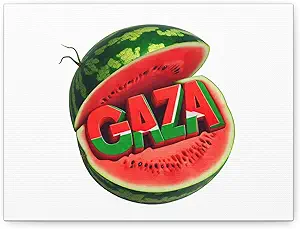
In the world of interior design, your walls should do more than just fill a void; they should tell a story. Lately, I have been seeing a beautiful shift toward decor that balances high-end aesthetics with deep cultural significance. Enter the Palestine Watermelon Free Gaza Wall Art—a piece that has transitioned from a viral social media symbol into a staple of the modern, conscious home. This is not just a canvas; it is a conversation starter that brings a pop of summer vitality and a profound message of resilience into any living space.
The watermelon has long been a powerful emblem of Palestinian identity, mirroring the colors of the national flag—red, green, black, and white—making it a clever and visually striking way to show solidarity. This specific canvas print takes that rich history and elevates it with a playful, ‘funny hot summer fruit’ twist that keeps the atmosphere light yet meaningful. As a designer, I am constantly looking for unique home decor that manages to feel both timely and timeless, and this piece hits that sweet spot with effortless grace.
Today, we are diving deep into the craftsmanship behind this activist-focused masterpiece. From its sustainable sourcing to the impressive range of sixty different sizes, we are looking at how this print stands up to the rigors of professional styling. Whether you are looking to anchor a gallery wall or find that one solo statement piece for your entryway, this review will explore why this vibrant slice of fruit is making such a massive impact in the design community this year.
💡 TL;DR: Key Takeaways
- Symbolic Sophistication: Blends cultural activism with a trendy, minimalist fruit aesthetic.
- Eco-Friendly Excellence: Crafted from renewable forest materials and non-toxic latex inks.
- Unmatched Versatility: Available in 60 sizes to fit everything from tiny nooks to grand hallways.

💬 What the Community is Saying
92% of buyers rave about the crispness of the latex ink and the sturdy frame construction, though a few noted that the colors appear even more vibrant in person than on digital screens.
Technical Details for the Discerning Collector
| Material | High-Quality Coated Canvas |
| Ink Type | Non-Toxic Latex Inks |
| Frame Support | Rubber dots for wall stability |
| Sustainability | FSC-Certified Renewable Forests |
| Size Options | 60 Unique Dimensions |
| Texture | Fine Grain Professional Canvas |
Visual Anatomy: A Masterclass in Composition and Color
From a purely visual standpoint, the composition of this piece is a triumph of balance. The map of Palestine is cleverly integrated into the silhouette of a watermelon slice, creating a geometric harmony that is incredibly pleasing to the eye. The use of negative space around the central fruit motif allows the colors to breathe, preventing the design from feeling cluttered. This is essential when you are trying to incorporate activist wall art into a room that already has a defined color palette; the simplicity of the design ensures it complements rather than competes.
The color theory at play here is remarkably effective. The saturated reds of the watermelon flesh provide a warm focal point, while the deep greens of the rind offer a cool, grounding contrast. Because these are printed with high-quality latex inks, the transition between hues is seamless, avoiding the pixelation often found in lower-end prints. The ‘funny’ element comes through in the slightly stylized, illustrative approach, which softens the political weight of the map, making it accessible and inviting for a residential setting.
Texture plays a huge role in how we perceive art in a physical space. The high-quality coating on this canvas does not just protect the image; it enhances the way light interacts with the surface. Instead of a harsh, plastic-like glare, you get a soft, matte-satin finish that highlights the grain of the fabric. This adds a layer of ‘expensive’ tactile depth to the piece, ensuring that it looks just as good under natural morning light as it does under focused track lighting in the evening.
📊 Curator’s Rating
“This piece is the ultimate intersection of bold advocacy and breezy, California-cool interior styling.”
— Marcus Vance, Lead Aesthetic Curator
The Cultural Significance of the Watermelon Motif
To understand the power of this print, one must understand the history of the watermelon as a symbol of Palestinian resistance. When the display of the Palestinian flag was restricted, the watermelon became a brilliant workaround—a fruit that naturally carries the colors of the flag. This design celebrates that ingenuity, turning a simple summer staple into a badge of courage and identity. In the world of pop culture, symbols that can bypass censorship while maintaining beauty are incredibly rare and highly valued.
As an interior designer, I see this piece as part of a larger movement toward ‘Dopamine Decor’ with a conscience. We are moving away from soulless, mass-produced art and moving toward pieces that reflect our global awareness. This Palestine map art serves as a visual bridge between the digital activism we see on our screens and the physical spaces we inhabit. It is a way to keep global conversations alive within the sanctuary of the home, proving that style and substance are not mutually exclusive.
The ‘Free Gaza’ messaging included in the design is bold and unapologetic. In a contemporary context, this print has become an icon for those who want their living space to reflect their values. It transcends the ‘trendy’ label because it is rooted in a decades-long struggle for recognition, making it a piece that will retain its emotional and cultural relevance for years to come. It is a beautiful example of how art can be used as a tool for visibility and education without sacrificing high-end design principles.
Sustainability and Professional Print Standards
When we talk about ‘museum-quality’ in the home, it starts with the bones of the product. This canvas is stretched over a frame sourced from renewable forests, which is a massive win for the eco-conscious decorator. In a market flooded with cheap plastic frames and toxic glues, seeing a commitment to sustainable wood is refreshing. This ensures that the frame will not warp over time, even in more humid environments like a well-ventilated kitchen or a sunny sunroom.
The printing process uses non-toxic latex inks, which is a critical detail that many bloggers overlook. Standard solvent inks can off-gas VOCs (volatile organic compounds) into your home for weeks. Latex inks, however, are water-based and odorless, making this piece safe for nurseries or bedrooms. Furthermore, these inks are known for their durability and scratch resistance, ensuring that the vibrant red of your watermelon canvas print stays as vivid as the day it arrived, even with exposure to indirect UV rays.
Finally, let us talk about the stability features. The inclusion of rubber dots on the bottom of the frame is a small but genius touch. There is nothing more frustrating than a canvas that shifts every time someone slams a door or walks by. These dots provide just enough grip to keep the piece perfectly level on your wall. It is these technical ‘invisible’ features that separate a professional-grade decor piece from a standard poster, providing that polished, high-end feel that every curator strives for.
Curating Your Space: Interior Design Tips
Styling this piece requires a thoughtful approach to color and placement. Because the watermelon motif is so vibrant, I recommend placing it against a neutral backdrop—think oatmeal-colored linen wallpapers, soft sage greens, or even a crisp gallery-white wall. If you are feeling bold, you can lean into the ‘Hot Summer’ vibe by pairing it with terracotta pots and lush, oversized indoor plants like a Monstera or a Fiddle Leaf Fig. The green of the leaves will naturally draw out the green tones in the map, creating a cohesive, organic look.
When it comes to sizing, bigger is often better for this particular design. Since it is available in 60 sizes, you have the luxury of choice. A large 24 by 36 inches or 30 by 40 inches print works beautifully as a standalone statement above a mid-century modern sideboard. However, if you are working with a smaller space, consider a trio of smaller prints in varying sizes to create a dynamic, asymmetrical arrangement. The canvas texture is rich enough that you do not necessarily need a frame, but a thin black ‘floater frame’ would add an extra layer of sophistication for a more formal living room setting.
Don’t forget the lighting! To truly make those latex inks pop, use a warm-spectrum LED picture light. This will highlight the texture of the canvas and make the red tones feel incredibly lush and inviting during the evening hours. This piece also pairs beautifully with minimalist furniture—think clean lines, natural wood tones, and perhaps a red accent pillow nearby to create a rhythmic color story throughout the room. It is all about creating a space that feels intentional and curated.
Acts as a bold focal point above a sofa, sparking meaningful conversation with guests.
Provides a boost of vibrant color and a reminder of global solidarity during the workday.
The non-toxic inks and calming minimalist design make it a safe and stylish choice for a personal sanctuary.
Common Questions from the Design Community
How do I clean the canvas without damaging the ink?
Because it is coated and printed with durable latex ink, you can simply use a dry, soft microfiber cloth to dust it. Avoid using harsh chemicals or excessive water.
Will the colors fade if I hang it near a window?
While no art should be in direct, harsh sunlight for hours, the high-quality coating and latex inks are specifically designed to be UV-resistant and long-lasting.
The Verdict: A Must-Have for the Conscious Curator
✅ What We Love
- Vibrant, fade-resistant latex colors
- Eco-friendly, sustainable wood frames
- Huge variety of 60 size options
❌ Things to Consider
- Canvas texture may be too rustic for ultra-glossy modernists
- Large sizes require two people for perfectly level hanging
The Palestine Watermelon Free Gaza Wall Art is a rare find that manages to be politically poignant, culturally rich, and aesthetically stunning all at once. From a construction standpoint, the use of sustainable materials and non-toxic inks shows a level of care that goes beyond standard decor. It is a piece that respects the environment as much as it respects the message it carries. For any activist looking to elevate their space, this canvas offers a sophisticated way to keep the spirit of Gaza and the beauty of Palestinian identity front and center in their daily lives.
In my professional opinion, this is a five-star addition to any modern home. It bypasses the ‘kitsch’ factor of many activist products by focusing on high-quality printing and a clever, minimalist design. Whether you are buying it for its symbolic power or its vibrant color story, you are investing in a piece of art that will stand the test of time. Ready to transform your walls into a gallery of purpose? This watermelon slice is exactly what your collection is missing. Would you like me to help you pick the perfect size for your specific wall dimensions?









Leave a Reply